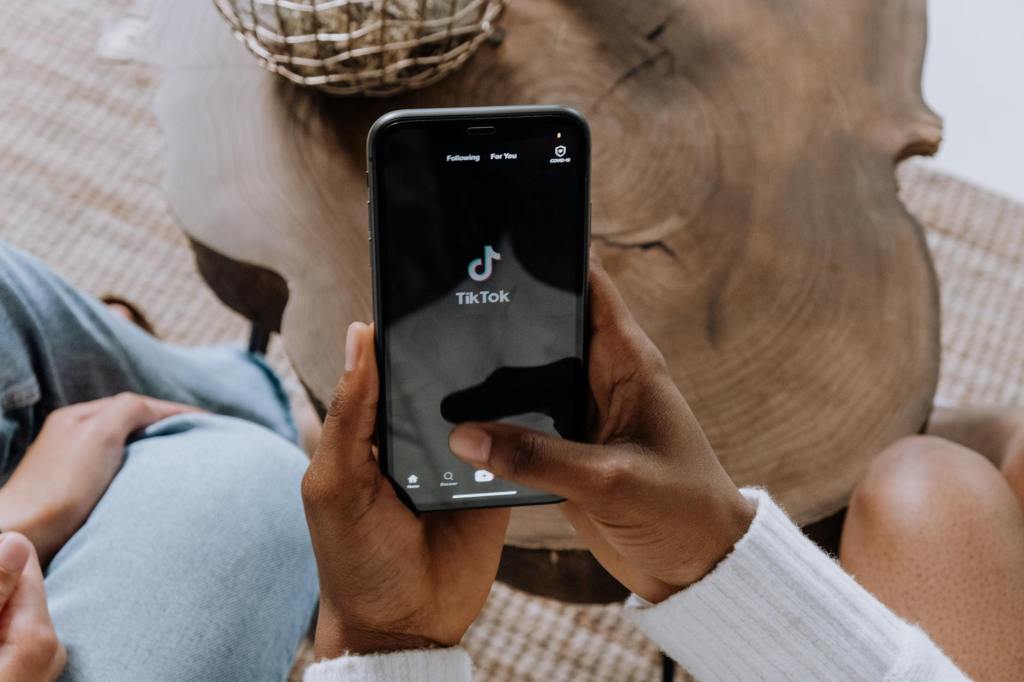
Once again, we are revisiting the topic of a ban on TikTok. This time, the President has officially put his name on a bill to ban the social platform within nine months if the company is not sold to an American buyer. The President can extend this by 90 days if he so desires. Despite a bill being approved by both houses of Congress and the President, the timeline is likely fickle given the legal challenge this will undoubtedly face.
The ban is the result of multiple factors. A primary concern amongst legislators is the imposing national risk the platform holds on America, given its ownership by a company that is believed to be controlled by the Chinese Communist Party (CCP). The app allows a window of opportunity for the CCP to spy on American users, and because of their control over the platform, they can utilize it to spread disinformation. Given that America has been increasingly concerned about disinformation campaigns, this is just one step to mitigating any damage it may cause. However, the association with TikTok and the CCP certainly motivated Congress to act on this versus some of its competitors, such as Facebook or Twitter.
In a surprise turn of events, the bill was included in the foreign aid package, which was designed to provide tremendous amounts of money, munitions, and supplies to assist the efforts in Ukraine, Israel, and Taiwan. The House of Representatives has been stalling on most foreign aid since the new House Speaker, Mike Johnson, came into the position. After months of relentless persuading, Mike Johnson finally caved and let the foreign aid come up for a vote, with the added caveat that the TikTok bill also be included.
A ban on TikTok may prove unpopular for President Biden, who is currently trying to vie for his constituents’ support as they did in 2020. Recent disapproval of the President has brought into question his ability to be reelected, and a ban on the platform may push some of the younger voters away, just as they are already turning away from supporting him given his persistent support of Israel and their war against Hamas. Nevertheless, the government’s decision to ban TikTok seems to have unprecedentedly reshaped great power conflict. As America continues looking for ways to slow China’s growth in global power, the country’s control over a social media platform seems to have become an additional pathway for great power competition.



 Diametric post
Leave a comment